Naples Real Estate · Waterfront Guide
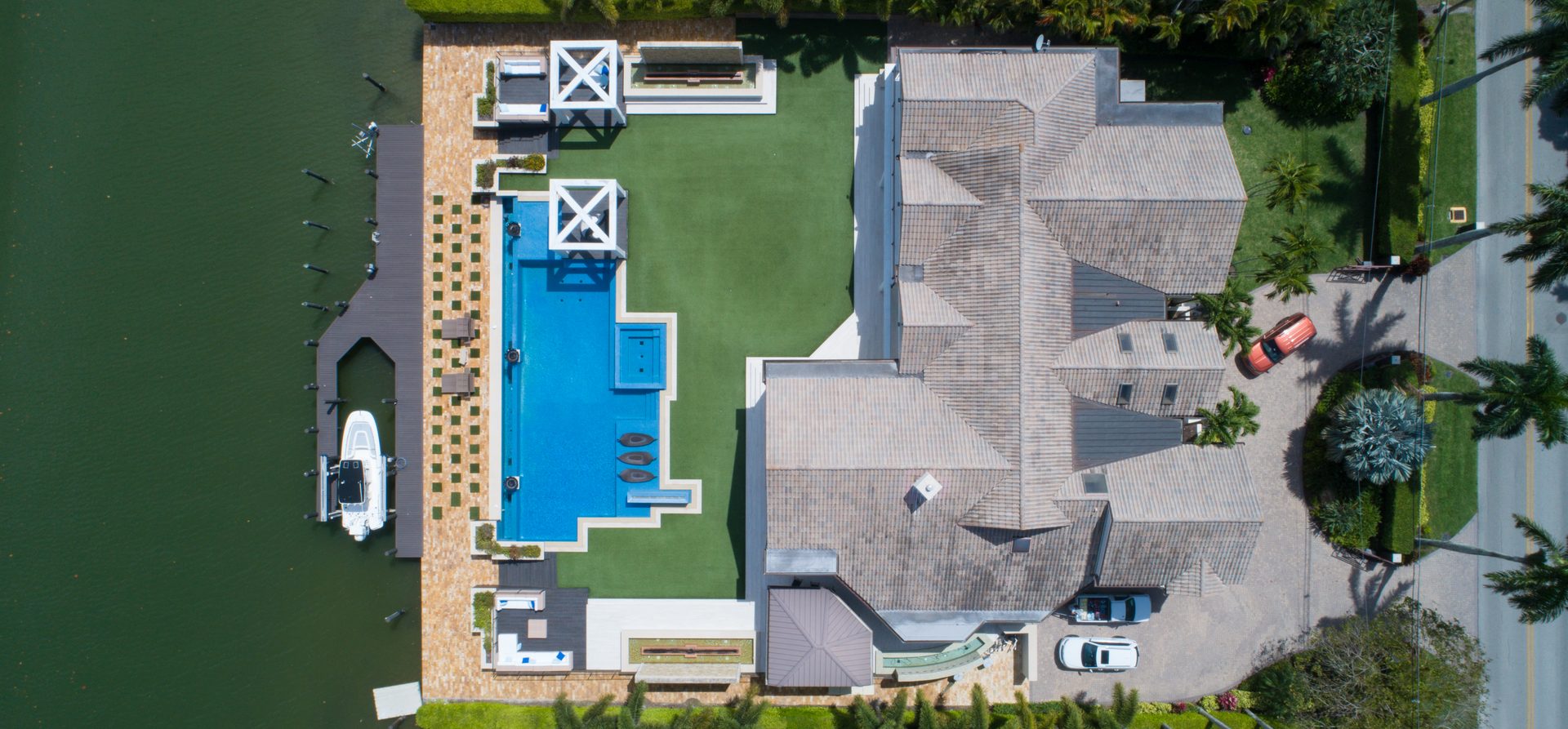
You can have the boat in the backyard, the sunset over the bay and the Gulf a few minutes away — without guessing about flood risk. In Naples the difference between waterfront and worry is three checkable things: the FEMA zone on the current map, the home’s elevation against its Base Flood Elevation, and a real insurance quote before you write the offer.
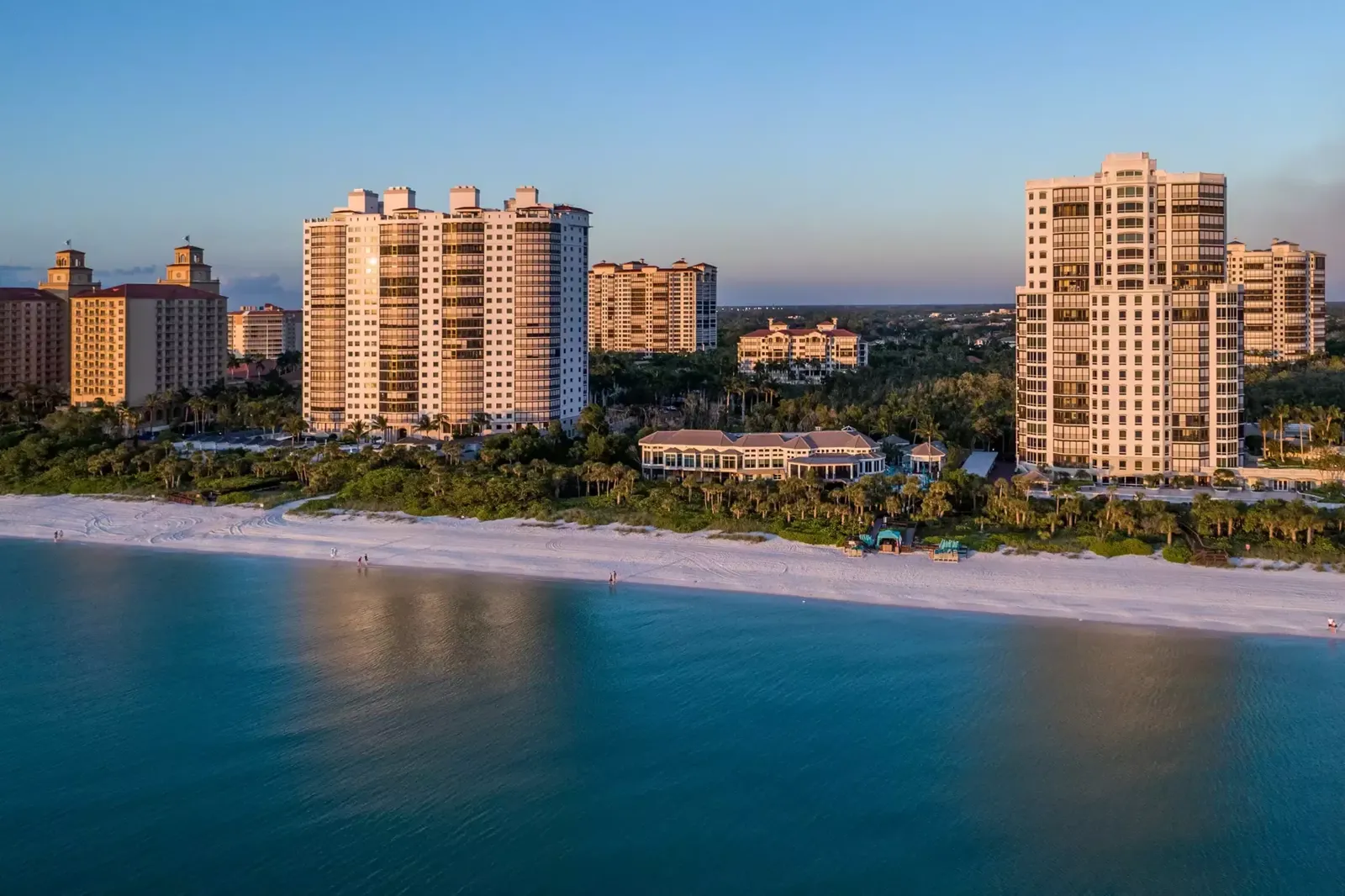
Almost every waterfront buyer in Naples asks the same worried question first — “will it flood?” — and it deserves a better answer than yes or no. No honest agent can promise a home will never see water. What we can do is replace worry with numbers. Naples waterfront is not one risk. A Gulf-front home in Zone VE, a canal home in Zone AE in Aqualane Shores, and a bay-front tower in Pelican Bay sit in different zones, at different elevations, under different building rules — and they price, insure and resell differently because of it. This guide walks through each layer, in the order to check it, so the waterfront you buy is the waterfront you understood.
Start with the market you are buying into. Our latest Naples market report put the overall median closed price at $575,000 in September 2026, with single-family at $747,500 — waterfront is a premium tier well above those medians, which is exactly why the insurance and elevation math deserves the same attention as the view.
The numbers that frame a waterfront purchase
Map date: City of Naples and Collier County Floodplain Management — Flood Insurance Rate Maps effective February 8, 2024. Premiums: FEMA Risk Rating 2.0 data summarised by NerdWallet (2026). Individual quotes vary widely by elevation, distance to water and construction — see the cost section below.
1. The three zones that matter in Naples
Every parcel in Collier County carries a FEMA flood zone from its Flood Insurance Rate Map (FIRM). You can look up any address free at FEMA’s Map Service Center, msc.fema.gov, and the City of Naples offers its own address lookup for city properties. Check the effective map — the February 8, 2024 maps govern insurance and permits today. Preliminary maps dated March 20, 2025 exist, but as of August 2026 the county states they are not yet effective and should not be treated as the regulatory map.
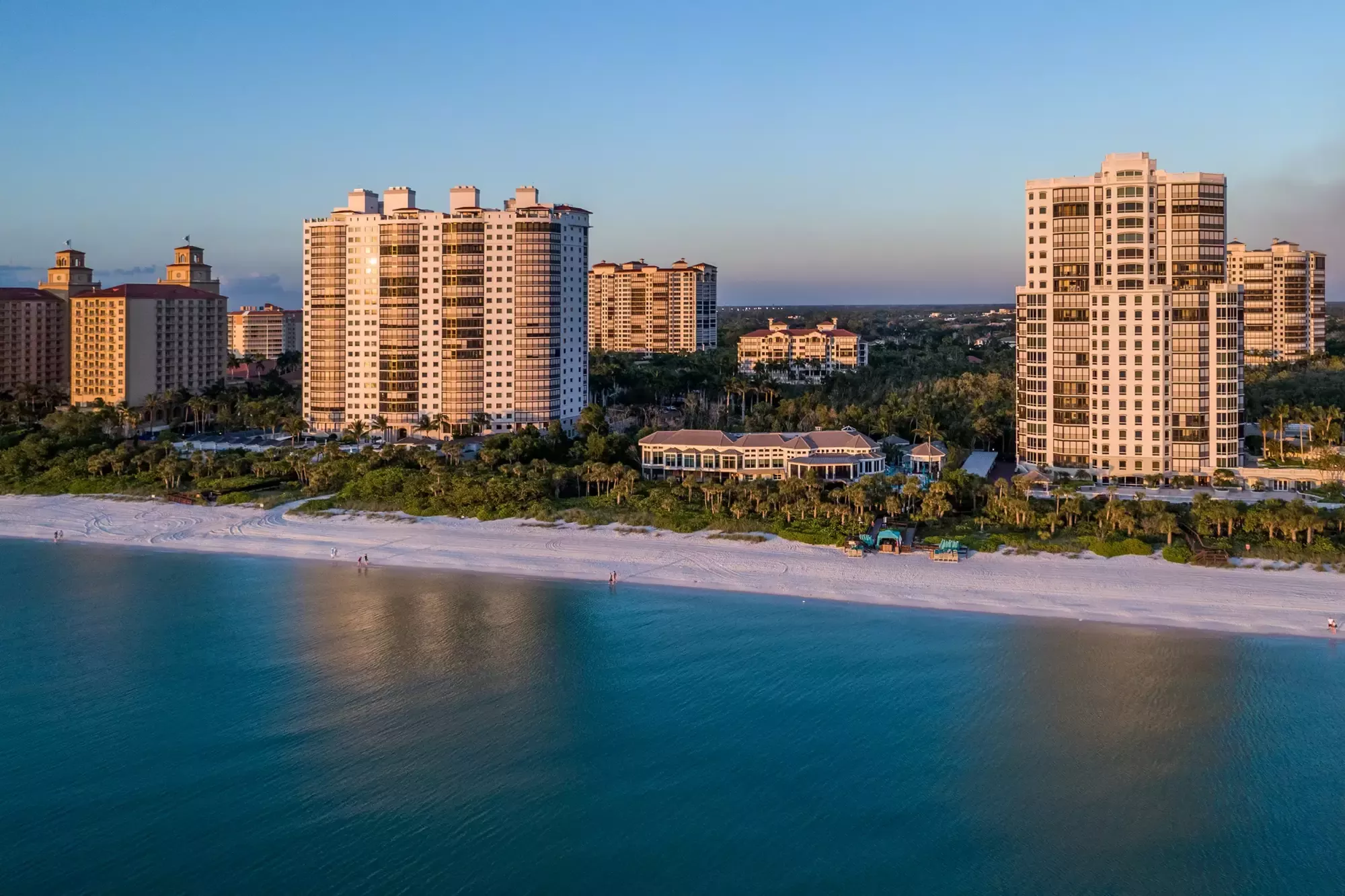
Zone VE — coastal high hazard. The Gulf-front band, where FEMA maps a 1% or greater annual chance of flooding plus storm-wave action. Base Flood Elevations run about 11 to 13 feet in Coquina Sands and 14 to 15 feet on the Pelican Bay beachfront. VE carries the strictest building standards — open foundations on pilings, breakaway walls below BFE, nothing obstructing that space — and, with a mortgage, mandatory flood insurance at the highest premiums.
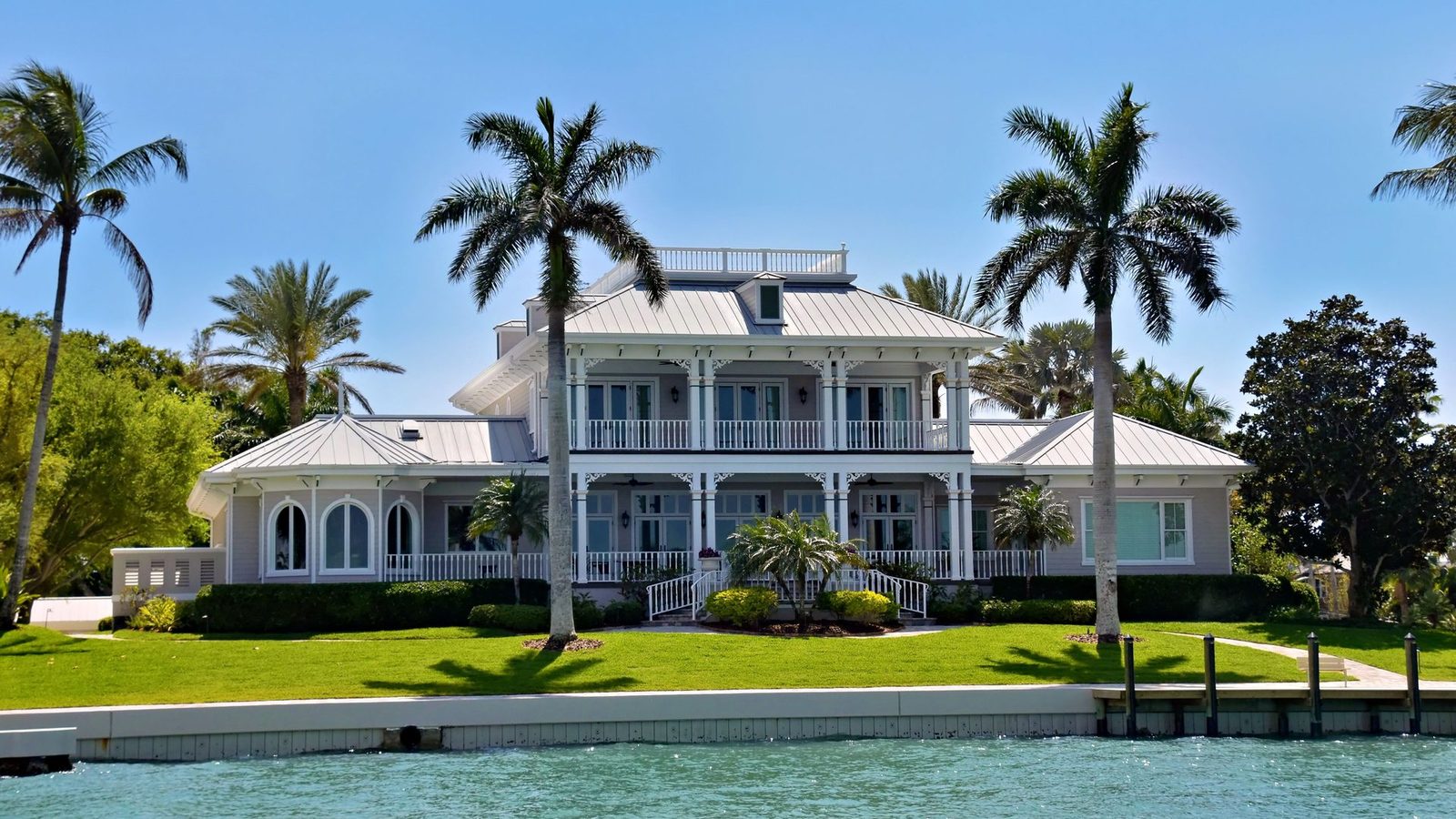
Zone AE — high risk, elevation mapped. Most Naples waterfront lives here: canal and bay lots in Port Royal (mostly AE 8), Aqualane Shores (about 95% AE, BFE 8 or 9 feet), the Moorings and Park Shore (about 84% AE). AE is inside the Special Flood Hazard Area, so a federally regulated mortgage requires flood insurance for the life of the loan. But AE is a wide band — a home built well above its BFE and a home built below it share the zone letters and pay very different premiums.
Zone X — moderate to minimal, not zero. Shaded X is the 0.2% annual-chance (500-year) area; unshaded X sits outside even that. Lenders do not require flood insurance in X, and many inland and some interior waterfront-adjacent lots in Port Royal and Park Shore map as shaded X. The caution is the statistic in the strip above: roughly one in four flood claims nationally comes from outside the high-risk zones. X changes the requirement; it does not erase the option — and X-zone policies are the cheapest flood coverage you will ever be offered.
2. Elevation is the number that prices the house
Under FEMA’s Risk Rating 2.0 — fully in effect since 2023 — premiums are no longer set by zone alone. FEMA prices each property on its own facts: first-floor elevation relative to BFE, distance to water, flood frequency, replacement cost and claims history. Two AE homes on the same canal street can receive quotes thousands of dollars apart for exactly that reason.
The document that proves elevation is the Elevation Certificate, prepared by a licensed surveyor. Ask the seller for it in the first days, not the last. If none exists, ordering one — typically a few hundred dollars — can pay for itself many times over if it shows the finished floor above BFE. Naples and Collier County also apply freeboard: new construction is commonly required to sit 1 to 2 feet above BFE, which is why a newer waterfront home often insures more cheaply than an older home next door at the same address risk. When you tour, look down as well as out: raised foundations, flood vents, breakaway garage walls and mechanicals lifted above BFE are not cosmetic — they are premium and resilience, built in.
3. What flood insurance actually costs here
Ground the budget in averages, then replace them with quotes. NFIP policies in Collier County average about $1,185 a year, above Florida’s average paid premium and still climbing toward FEMA’s $1,363 full-risk rate for Florida single-family homes — Risk Rating 2.0 caps annual increases at 18% until a policy reaches its actuarial rate, so the current owner’s bill is a floor, not a promise. At the extremes the spread is real: well-elevated AE homes can quote in the high hundreds to low thousands, while low-elevation VE beachfront can run into five figures. Private flood insurers compete alongside the NFIP and are worth a second quote on every property — sometimes lower, sometimes broader, always property-specific.
Two rules buyers miss. First, standard homeowners insurance does not cover flood — flood is always a separate policy. Second, the mandate is narrower than most people think: federal law requires flood coverage only when both the home is in a Special Flood Hazard Area (zones beginning A or V) and it carries a federally regulated mortgage. Cash buyers — a very large share of Naples closings — have no lender forcing the decision, which makes it a genuine choice to make deliberately, not a box someone ticks for you. Our advice is consistent: get the quote even when no one requires it, and decide with the number in hand.
4. The 50% rule, and why older waterfront homes are a different purchase
Planning a major renovation of a 1970s or 1980s canal home in Old Naples or the Moorings? Learn the FEMA 50% rule before you design it. If the cost of an improvement or repair reaches 50% or more of the structure’s market value, the whole structure must be brought into compliance with current flood rules — which can mean elevating the home. It does not make older waterfront homes bad purchases; some of the best lots in Naples sit under them. It makes them sequenced purchases: lot value, elevation path and renovation budget assessed together, with the county floodplain office’s guidance, before closing — not discovered at the permit counter after.
Before you offer on waterfront — five checks
- Zone, from the effective map: look the exact address up at msc.fema.gov and note the zone and the BFE figure, not just the letters.
- Elevation Certificate: request the seller’s EC; compare finished-floor elevation to BFE. No EC? Budget to order one during inspection.
- Two live quotes: one NFIP, one private, on this property — never budget from the seller’s current premium.
- Flood history & claims: ask directly, review the seller’s disclosure, and check whether prior claims affect insurability.
- Renovation plans vs. the 50% rule: if you plan major work on a below-BFE home, price compliance before you price the kitchen.
The bottom line
Waterfront without the worry is not a different Naples — it is the same Naples, bought in the right order. Zone first, from the February 2024 effective maps. Elevation second, proved by a certificate, not assumed from a listing photo. Insurance third, quoted live on the specific home, NFIP and private side by side. Do those three and the remaining questions — dock, lift, seawall, view, the run out Gordon Pass or Doctors Pass — go back to being the enjoyable ones. If you are weighing two waterfront homes, send me both addresses and I will lay the zone, BFE and elevation picture out side by side before you tour. And if you already own on the water and are thinking of selling, buyers will price your elevation and insurability whether you present them or not — start with what your home is worth and let’s present the whole picture, documents first.
Looking at waterfront homes?
Browse Naples listings, then let’s check the zone, elevation and insurance on any address before you fall for the view.
Browse Naples Listings Call or Text (239) 216-2016Sources & disclaimer: Flood zones, Base Flood Elevations and map dates — FEMA Flood Insurance Rate Maps for Collier County and the City of Naples, effective February 8, 2024 (City of Naples flood zone maps page; Collier County Floodplain Management); preliminary FIRMs dated March 20, 2025 noted as not yet effective per Collier County as of August 2026. Zone shares and BFE figures by neighbourhood — Collier County Property Appraiser / FIRM parcel analysis summarised October 2026 (Aqualane Shores ~95% AE, BFE 8–9 ft; Port Royal mostly AE 8; Park Shore ~84% AE; Pelican Bay beachfront VE, BFE 14–15 ft; Coquina Sands VE, BFE 11–13 ft). Premiums — FEMA Risk Rating 2.0: Collier County NFIP average about $1,185/yr and Florida single-family full-risk rate $1,363/yr (FEMA data via NerdWallet, 2026); Risk Rating 2.0 pricing factors and the 18% annual increase cap, FEMA. Claim distribution (about 1 in 4 claims from outside high-risk zones) — FEMA / FloodSmart. Market context — Naples Area Board of REALTORS® (NABOR) September 2026 Market Report, released October 23, 2026. Flood insurance is a separate policy from homeowners insurance; quotes are property-specific and change — obtain written NFIP and private quotes for any specific home, and confirm zone and elevation for a parcel with FEMA’s Map Service Center (msc.fema.gov) or Collier County’s Flood Information Hotline before relying on any figure. This post is general information, not insurance, legal or financial advice.