


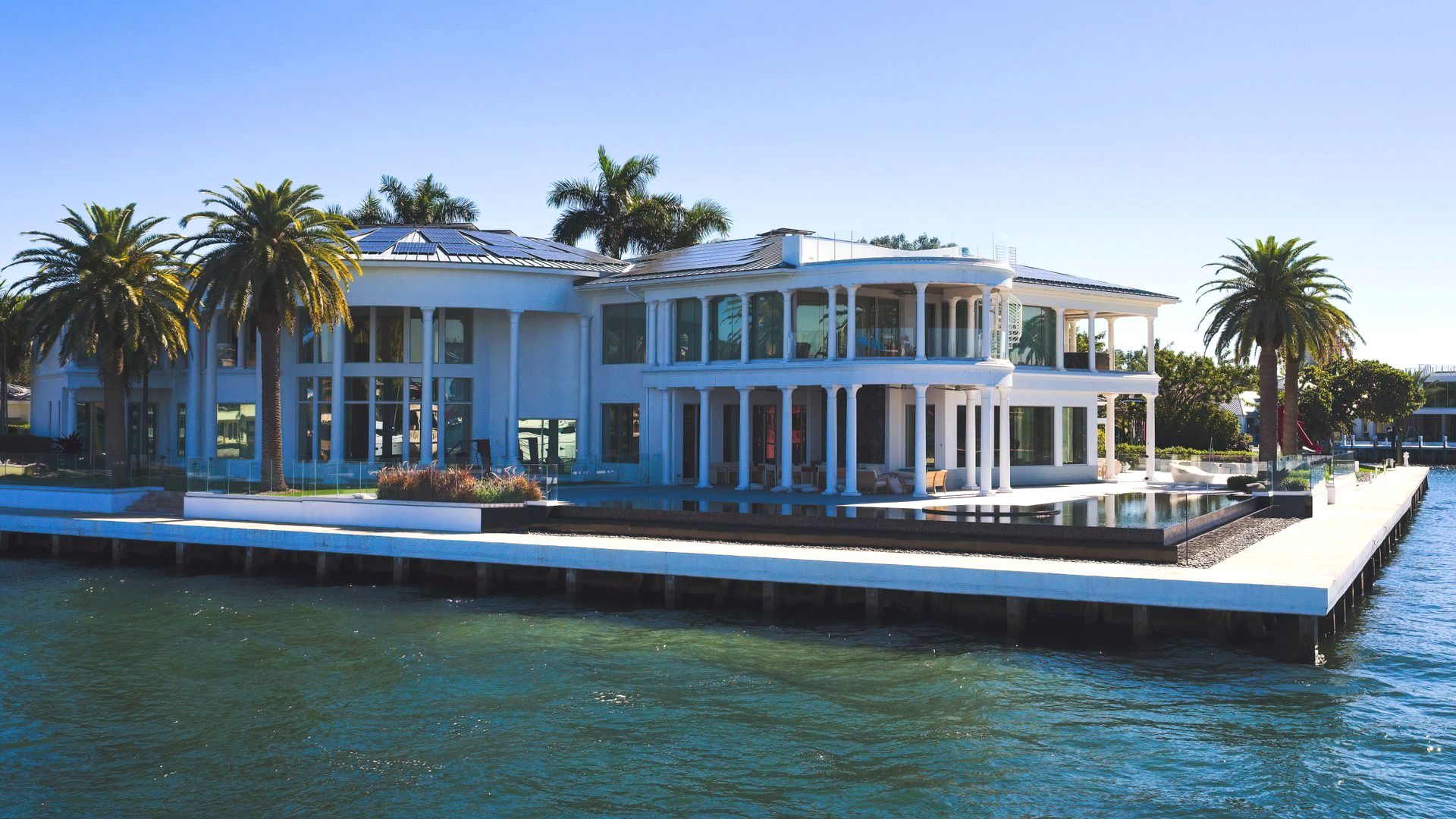
Naples Real Estate · Buying Guide
“New construction is always more expensive” used to be the rule. Nationally, that rule just flipped — but Naples has its own version of the math, and it runs through insurance, CDD fees and one thing no builder can sell you: location. Here is the honest side-by-side.
Ask most buyers whether a brand-new home costs more than a resale home and they’ll say yes without blinking. For decades they were right. But the numbers have quietly changed: according to the National Association of Home Builders, in 2025 a typical existing home in the U.S. actually sold for about 1% more than a newly built one, and by the first quarter of 2026 the two medians were essentially identical — $403,200 for new construction versus $404,600 for existing homes. Builders, carrying finished inventory they need to move, have been competing on price: in NAHB’s survey, 64% of builders offered sales incentives and 37% cut prices. So does that mean new construction is now the bargain in Naples too? Not exactly — and the reasons why are the whole point of this post.
First, the Naples baseline
Start with what any Naples home costs right now, new or not. The official September 2026 NABOR market report puts the overall median closed price at $575,000 (+4.5% year over year), with single-family homes at $747,500 and condos at $400,000. Single-family homes sold at a median of $365 per square foot (+4.0%) — the yardstick every new-build quote should be measured against, because a builder’s price only means something next to what a comparable resale home actually closes for. Supply sits at 5.5 months and sellers received 94.8% of asking, so this is a balanced market: neither side gets to be careless with the math.
Source: NABOR® September 2026 Market Report (Collier County, excluding Marco Island)
What “new” actually costs in Naples
The advertised price of a new home is the starting point, not the finish line. On top of the base price, most Naples buyers add a lot premium for the homesite they actually want — lake view, preserve, southern exposure — and then the design-studio upgrades that turn a base model into the home in the brochure. Price those two lines honestly before you compare anything, because they routinely move the real price well past the number on the community sign.
Then there is the CDD. Many newer master-planned communities finance their roads, utilities, lakes and clubhouses through a Community Development District, repaid by homeowners as an annual assessment on the property tax bill, typically over 20 to 30 years. In Naples those assessments commonly run $1,500 to $5,000 per year — a real, recurring cost that most established resale neighborhoods simply don’t have. It doesn’t make a community a bad buy; the amenities it pays for are genuine. But a new home and a resale home at the same price are not the same monthly cost when one carries a $3,000 CDD line and the other doesn’t.
Where is Naples actually building? Mostly where the land is: east and inland. Caymas, Stock Development’s 780-acre lakefront community off Collier Boulevard, plans 457 homes priced from the mid-$800,000s to over $2 million and recorded more than $50 million in sales in its first two months. At the other end, the new Brightshore development on Immokalee Road is bringing paired villas and single-family homes starting in the high $300,000s and low $400,000s, and communities like Ave Maria continue to deliver new homes around the $500K mark. In other words, new construction in Naples spans almost every budget — if you’re willing to be inland. For a refresher on what those same budgets buy across the wider market, see what $500K, $1M and $2M buy in Naples right now.
Where resale quietly wins
Location is resale’s trump card, and it isn’t close. The neighborhoods closest to the Gulf — Old Naples, Pelican Bay and the other established beach-side communities — are built out. There is no new-construction version of a tree-lined street five blocks from the sand; if that’s the Naples you want, you are buying resale, and the honest comparison becomes an older home there versus a newer one further east. Neither is the “wrong” answer, but they are different lives, not different prices for the same life.
Resale also wins on certainty and timing. The landscaping is mature, the HOA’s finances and reserve history are knowable, the neighbors exist, and you can close and move in on a normal contract timeline instead of a builder’s construction schedule. And there is still room to negotiate: with September sellers receiving 94.8% of list price on average, a well-supported offer on a resale home has genuine room to land below asking — room that on a new build usually shows up as incentives and upgrades rather than a lower headline price.
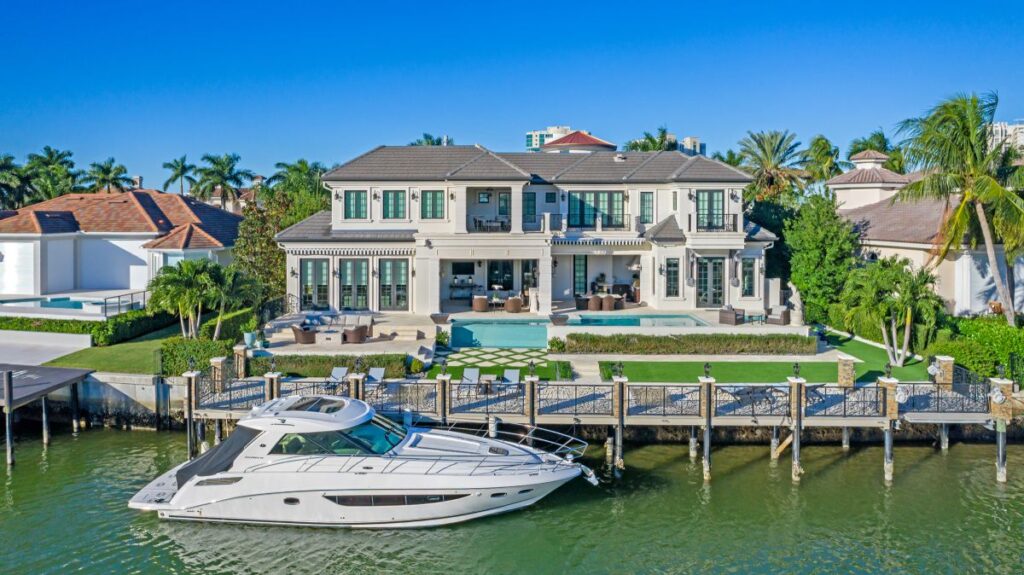
Insurance: the line item that changes the answer
This is where Florida’s math diverges most sharply from the national story. Homes built to the modern Florida Building Code — the statewide code first enacted in 2002 and tightened roughly every three years since — are engineered for wind in a way older homes simply aren’t: stronger roof-to-wall connections, rated roofing and impact openings. Insurers price that difference directly. Florida law requires carriers to offer wind-mitigation discounts, and homes built under the 2001 code or later qualify automatically for a minimum 68% discount on the windstorm portion of the premium. Industry analyses put the practical result in plain dollars: Hippo Insurance’s data shows new-construction premiums in Florida running about 42% lower than comparable existing homes, and Realtor.com research finds savings of up to 38% — worth $7,000 or more over the first ten years of ownership.
Resale buyers aren’t locked out of those savings, but they have to earn them. A wind-mitigation inspection costs roughly $100 to $150 and tells you exactly which credits a specific older home already qualifies for — and which it doesn’t. If the roof is near the end of its life or the openings aren’t impact-rated, price those retrofits into your offer, because your insurer will price them into your premium whether you budget for them or not. On two otherwise identical Naples homes, the insurance gap alone can be worth thousands a year, every year. Get quotes on the exact addresses you’re comparing before you decide — never after.
Maintenance, warranties and the calendar
A new home buys you a quiet first decade. Everything is new — roof, HVAC, plumbing, electrical, appliances — and most builders back that with a warranty structure of roughly one year on workmanship, two years on systems and ten years on major structural defects. A resale home asks the opposite question: not “what does it cost?” but “what’s due, and when?” A 15-year-old roof or an aging air conditioner isn’t a reason to walk away; it’s a number to put in the comparison next to the new home’s lot premium and upgrades.
Time cuts the other way. A to-be-built home runs on the builder’s schedule, with a builder’s contract, builder’s deposit structure and completion dates that can move. Protect yourself the same way you would on any purchase: bring your own agent (the sales-center staff work for the builder), get your own inspections — ideally pre-drywall and again before closing — and read the warranty’s claims process before you sign, not when you need it. The good news is that in the current market builders are negotiating: those NAHB incentive figures above are real leverage, most often as closing-cost help, rate buydowns or included upgrades rather than a cut to the base price.
The honest side-by-side — compare these lines, not just the price
- True purchase price: new = base + lot premium + design upgrades; resale = negotiated price (September sellers averaged 94.8% of list).
- Insurance: get address-specific quotes for both — new construction can run up to ~42% lower in Florida; for resale, order the $100–$150 wind-mitigation inspection first.
- CDD: many new communities add $1,500–$5,000/yr on the tax bill for 20–30 years; most established neighborhoods have none.
- HOA and club costs: compare the full stack both ways — new amenities are still ramping up, resale fees and reserves are a known quantity.
- Next 10 years of big tickets: new = warranty-covered and new systems; resale = roof, HVAC and appliance timelines priced into the offer.
- Time to keys: resale = a normal closing; to-be-built = the builder’s schedule, with incentives as your compensation for waiting.
So which one wins?
Buy new if you want the inland master-planned lifestyle, the lowest insurance and maintenance profile, and a home built to today’s code and today’s floor plans — and you’ve run the CDD and upgrade math with your eyes open. Buy resale if your Naples is the coast, an established neighborhood, mature trees and a known community — and you’ve priced the roof, the wind credits and the updates into what you offer. Either way, browse current new construction listings next to comparable resale homes in the same budget and compare the totals, not the brochures. That side-by-side — with real insurance quotes and the full fee stack for your exact finalists — is exactly what I’ll build for you before you write anything.
Running the new vs. resale math?
Browse Naples’ new construction, then let’s compare your finalists side by side — price, insurance, CDD and all.
Browse New Construction Call or Text (239) 216-2016Sources & disclaimer: Naples market figures from the NABOR® (Naples Area Board of REALTORS®) September 2026 Market Report, released October 23, 2026 (Collier County excluding Marco Island, Southwest Florida MLS), via NaplesArea.com. National new-vs-existing price comparison and builder incentive figures: National Association of Home Builders, April 2026 (U.S. Census Bureau and National Association of REALTORS® data). Insurance comparisons: Hippo Insurance New Homes Insights data and Realtor.com research, as reported 2025–2026; Florida wind-mitigation discount framework under Florida Statute 627.0629 and the Florida Building Code. CDD assessment ranges: Naples buyer guides compiling Collier County tax-bill data, 2025–2026 — assessments vary widely by community and parcel; verify the exact address. Community examples: Stock Development (Caymas) and Business Observer, September 2026 (Brightshore). This post is general information, not financial, legal or insurance advice; insurance premiums, fees and builder terms vary by property and change over time. Call (239) 216-2016 for a current, property-specific comparison.